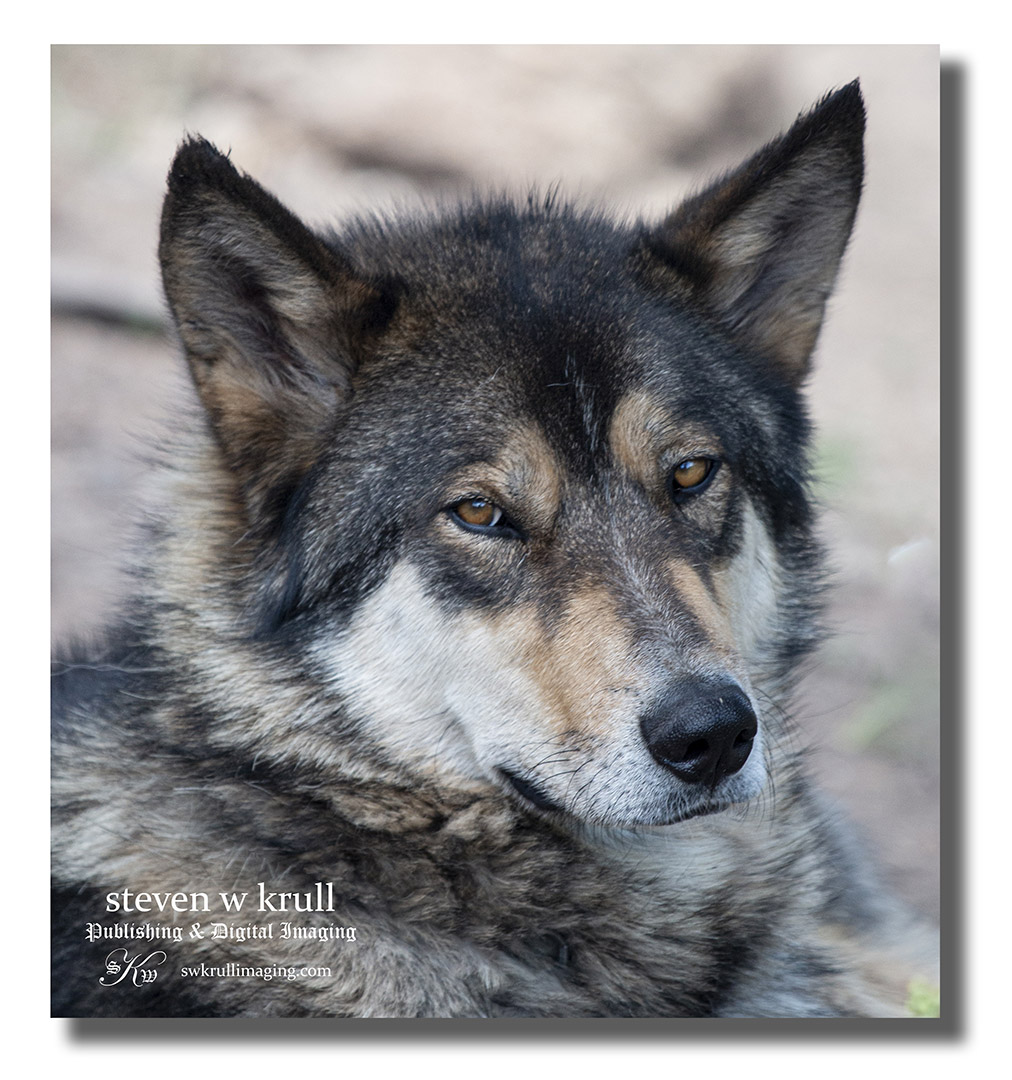


Social media platforms are filled with disinformation posts by the ranching and hunting communities, calling Colorado’s imported wolves an invasive or non-native species. They claim that these wolves are not the same as the ones that traditionally inhabited the state.
Colorado does not differentiate between different sub-species of gray wolf (Canus Lupus). While it is acknowledged that many subspecies occupy North America, mostly identified by region, the gray wolf is identified by the state only as Canus Lupus. A smaller Mexican gray wolf (Canis lupus baileyi) is particularly identified as endangered, and is managed under a federal recovery plan, distinct from Colorado’s reintroduction program.
“The primary subspecies of wolf historically native to and wiped out in Colorado was the Southern Rocky Mountain wolf (Canis lupus youngi). This medium-sized, light-colored predator originally roamed the mountains and valleys of the Southern Rockies but was completely eradicated by humans through aggressive trapping and poisoning campaigns by the mid-1935. [1, 2, 3] To restore the native ecosystem, Colorado Parks and Wildlife (CPW) began reintroducing gray wolves to the state in December 2023. Because the original Canis lupus youngi subspecies is extinct, modern reintroduction efforts rely on gray wolves translocated from Canada. [1, 2, 3, 4, 5]”
Colorado’s program would be impossible if only the Southern Rocky Mountain wolf could be considered for reintroduction. The Canis lupus youngi sub-species is now extinct, as we established earlier. However, Colorado was not home exclusively to Canis lupus youngi. For millennia, the Rocky Mountains were a contiguous range for gray wolves of varying sub-species to wander unimpeded, and as a result all are considered native to the Rocky Mountains in general.
Wolf opponents often incorrectly cite the largest wolf sub-species, the Northwestern Wolf (Canis lupus occidentalis) as the reason why they are incompatible and non-native to the Colorado Rockies. Even though this strain would be considered native to the Rocky Mountains further south, Colorado chose the smaller British Columbia strain (Canis lupus columbianus) for translocation. The British Columbia male wolf weighs in at 80-150 pounds, while the northwestern male wolf weighs in at 100-176 pounds. The extinct southern wolf weighed on average from 88-125 pounds.
So we can see that the British Columbia wolf is not considerably larger than the now extinct Southern Rocky Mountain wolf, and according to a study by Colorado State University, “The gray wolf is native to Colorado.1,2,3 Historically, wolves were distributed in Colorado throughout all major habitat types. During the latter half of the 1800s, hunters decimated wolf prey such as bison, elk, and deer. By the early 1900s, less than 1000 elk remained in Colorado3, compared to over a quarter million elk today.4”
In summary, Colorado did not reintroduce a non-native, invasive species of wolf. All gray wolves are of the species Canis Lupus, an all the various sub-species of gray wolves are not recognized as significantly distinct from each other. In addition, Colorado did not relocate the largest North American wolf species, the northwestern (Canis lupus occidentalis) wolf, the smaller British Columbia (Canis lupus columbianus) was selected for it’s unique compatibility with prey opportunities in the Colorado Rockies.
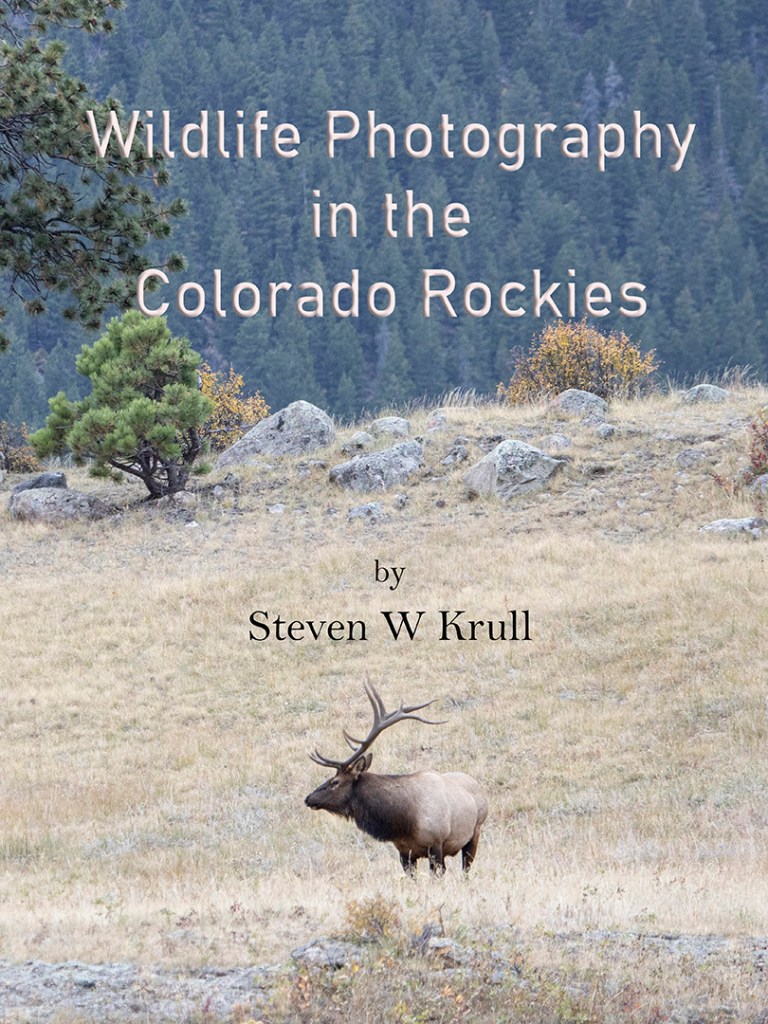
If you would like to learn where to find our magnificent Colorado wildlife, and how to capture beautiful pictures for yourself, please consider a purchase of my book, Wildlife Photography in the Colorado Rockies. This full size publication is just one of several books I have published, and is filled with dozens of full color glossy pictures of Colorado wildlife, along with valuable tips and tricks for tracking and photographing them! Your purchases of course are a great way to support this site and my work helping to preserve our wild heritage and public forest lands.
Steven W. Krull is a renowned photographer and author who has been photographing and writing of the beauty and wildlife of the Colorado Rocky Mountains for over two decades. Please visit his website at S.W. Krull Imaging to view his work, including thousands of prints for sale, stock images for commercial use, and his library of published books.

Discover more from Colorado Nature Photographer / Author | Steven W. Krull
Subscribe to get the latest posts sent to your email.
 Colorado Nature Photographer / Author | Steven W. Krull