

Rolling shutter is a term used to describe how data is transferred from an electronic sensor into the camera’s memory as an image. When you snap the shutter button, a series of actions is placed in motion and light hits the sensor to create an image. However it takes time for the camera to “roll” over the entire sensor to read the data that continues to be captured until the entire sensor has been read.
Different camera models are manufactured with varying readout speeds, based on sensor sizes, engineering, and often camera price point. For example a Canon R7 has a readout speed of about 30 milliseconds while the top end R1 boasts a readout of 2.7 milliseconds. A Sony A7V clocks in at about 15ms, while the top end Hasselblad X2D Mark 2 sports a ponderous 360ms. Of course that medium format flagship camera has a much bigger sensor to deal with.
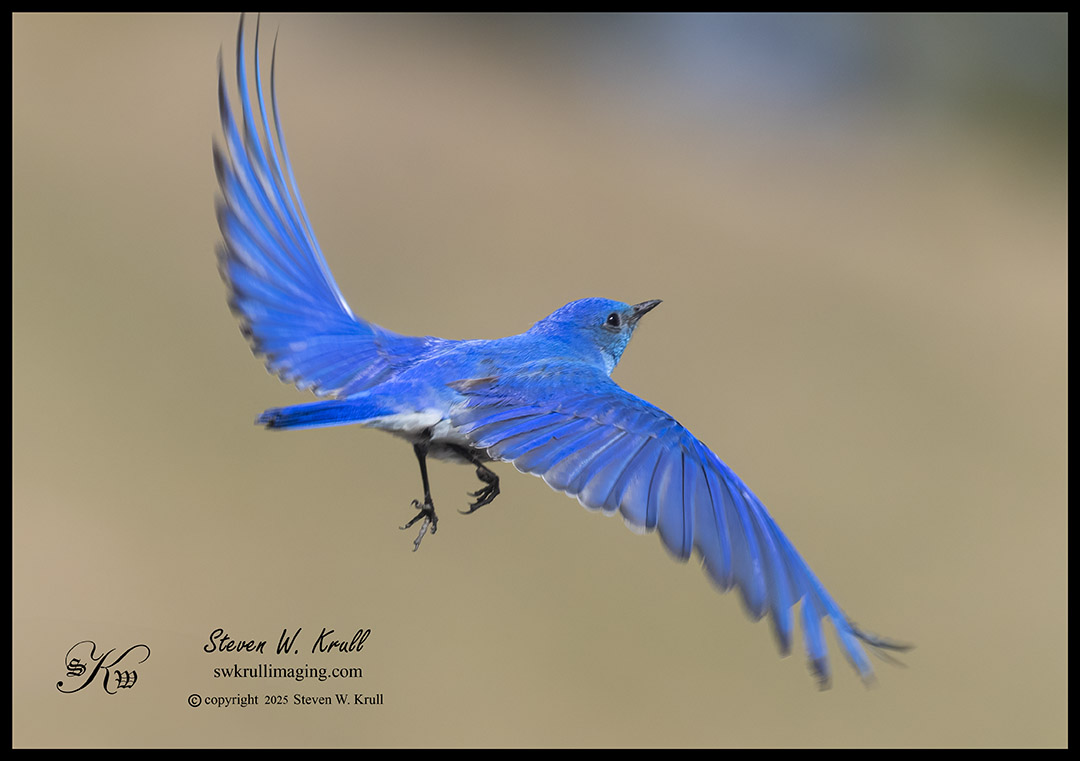
Much as been written about rolling shutter problems with the Canon R7, although as a bird photographer, I have had few images impacted by the 30ms readout. Be that as it may, the problem arises when data continues to be collected for 30 milliseconds while the camera reads the entire sensor. To put that in perspective, 30ms is equivalent to .03 seconds. Bird photography requires very fast shutter speeds to avoid blur, and a 2000th of a second is commonly considered a good shutter speed for that subject. One 2000th of a second is equivalent to .0005 seconds.
Comparing those two numbers, 0.03 vs. 0.0005 seconds shows how slow 30 milliseconds is in bird photography time, a factor of 60x. If it requires a 2000th of a second to freeze bird wings, imagine how much they might move in 60 times that length of time, or .03 seconds. That is where the rolling shutter shows it’s effects, warped wings on fast moving birds, bent golf clubs and baseball bats for sports photographers, and warped propellers for aviation photographers.
But how can a camera shoot at shutter speeds of a 2000th of a second or faster, while taking 60 times or more that amount of time to finish reading the sensor? The answer lies in sensor technology of course. for a 2000th of a second exposure, the camera turns on and off rows of pixels as the image is completed. Once the exposure begins, the camera turns on as many rows of pixels as it can read at one time for a 2000th of a second, gathering light for only that short amount of time.
Meanwhile the camera reads the completed row, and another row is activated for a 2000th of a second. The process continues until all rows are read, which in the case of a Canon R7 is 30 milliseconds. In addition to warping effects, the shutter drive speed is limited by the readout speed. The Canon R7 boasts 30 frames per second frame rate,(1 second / 30 = .03 seconds), nearly the same value as the readout speed.
So how can the rolling shutter problem be avoided? Some camera models include a mechanical shutter which utilizes a pair of physical curtains to initiate andterminate the exposure. The entire sensor is activated electronically, while the curtains work together to form a narrow slit to allow light to hit the sensor for the brief exposure time. That way the entire exposure is started and stopped within the selected shutter time. In our example above, light only strikes the sensor for .0005 seconds, and there is no opportunity for warping in such a short time.
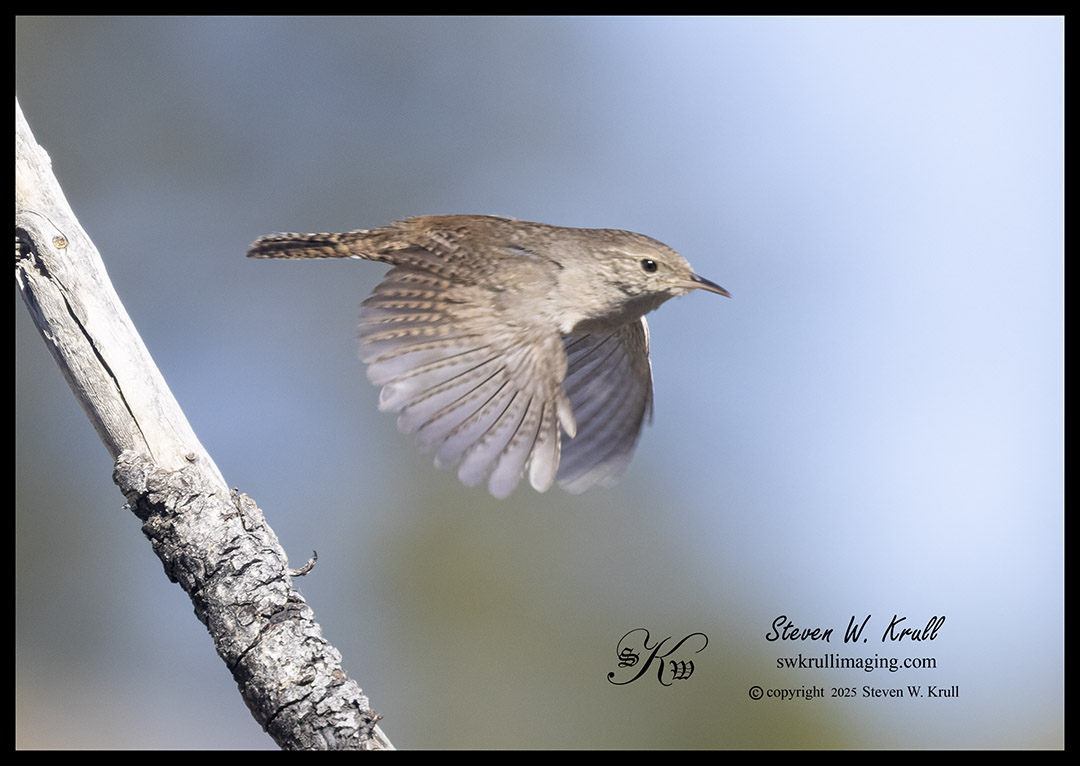
Another method currently available on higher end camera models is technology to read the entire sensor at once, often called “global shutter” vs “rolling shutter”. At this point in time however, the global shutter comes with a cost in reduced dynamic range. I imagine one day technology will overcome those limitations and all cameras will be able to have a global shutter. In the meantime, camera manufacturers are using “stacked” chip technology to optimize readout speeds, a subject for another article.
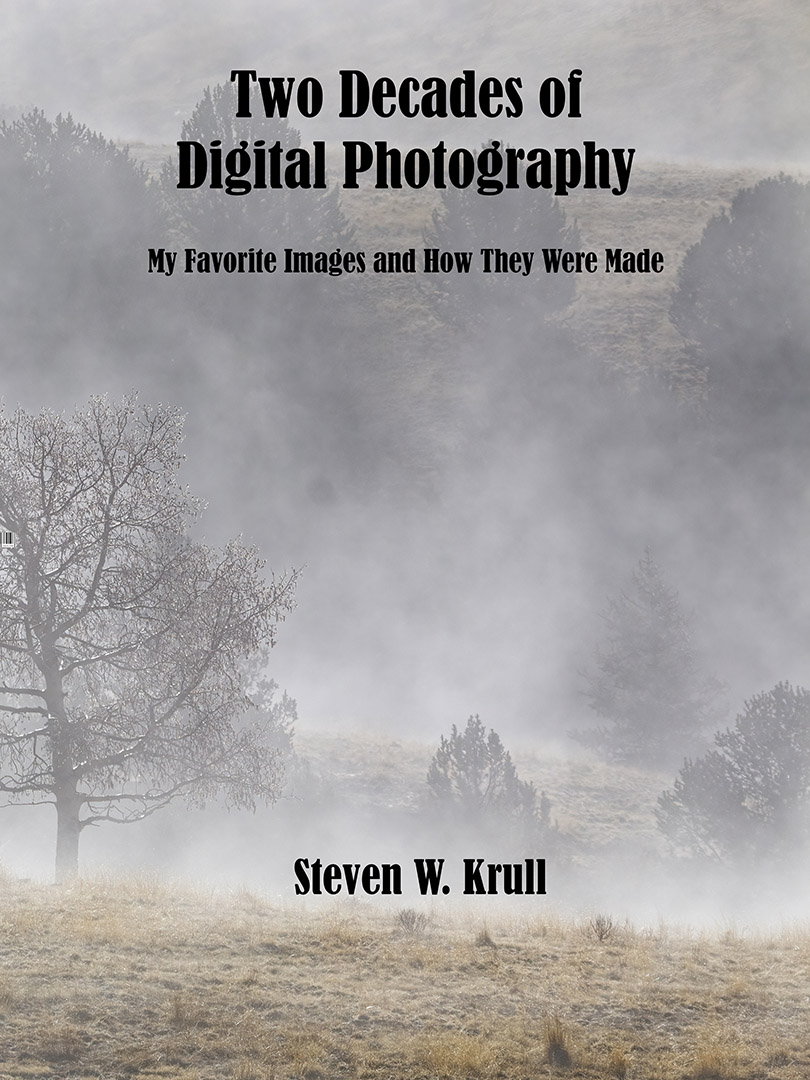
If you enjoy this content and find it useful, please consider purchasing a book from my Amazon Author Page, including Two Decades of Digital Photography, and several other beautiful photo books, along with Krull’s series of historical fiction adventure novels.
Quickly learn to shoot like a pro with practical and easy to understand techniques! Amateurs and pros alike will appreciate dozens of tips for the best locations, lighting and camera settings to use to nail the shot every time! Learn how digital photography has progressed over the last two decades in this informative and entertaining account of the experiences of one photographer who successfully navigated the entire technological revolution! Live two decades of digital photography along with the author, from the original Canon EOS-1D in 2002 until Canon’s final DSLR in 2022. Filled with dozens of beautiful wildlife, sports and landscape images from some of the most iconic locations in the Rocky Mountains, It’s a history book, an autobiography, a photography book along with a compelling story of the great outdoors and the Colorado Rocky Mountains and it’s vast diversity of wildlife. Learn how digital technology has progressed through the years, enjoy over 200 memorable and amazing pictures of seasons, animals, events, milestones and triumphs .Discover how the pictures were made and how to configure your own camera.
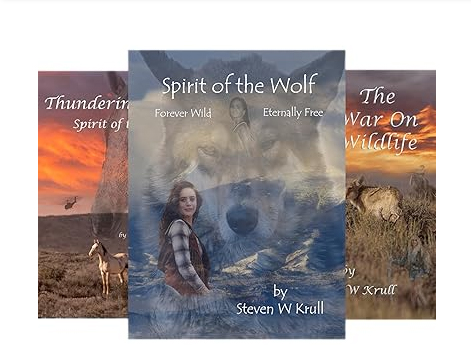
Krull has recently completed his War on Wildlife trilogy, which includes three historical fiction adventure novels. The entire series can be purchased as a set, or as individual installments. The saga begins in California as a fashion photographer learns about the famous matriach of a Yellowstone wolf pack. The saga continues as the main characters explore the American west while facing tragedy, and triumph and many exciting adventures along the way. Readers will learn about the famous Yellowstone wolf known as 06 for the year she was born, the exploits of a famous wild Colorado mustang stallion named Picasso, and finally about Colorado’s first wild wolf pack since their extinction in the early 20th century.
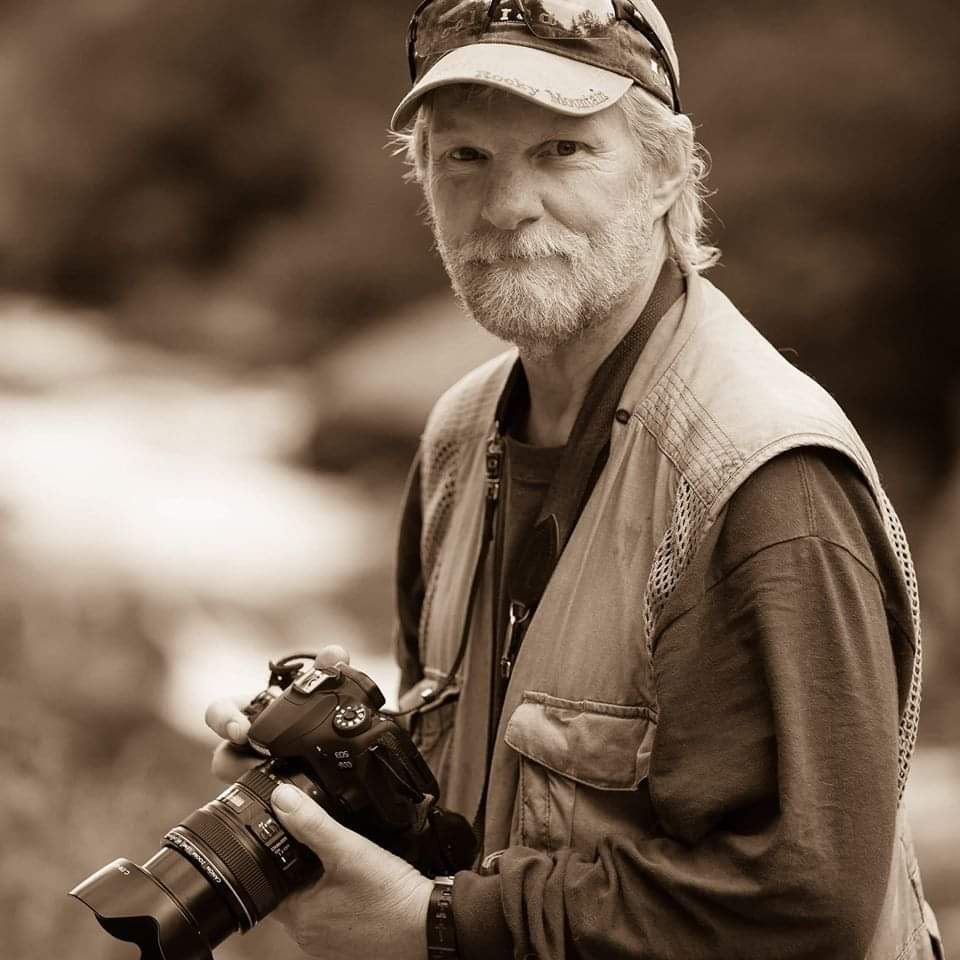
Steven W. Krull is a renowned photographer and author who has been photographing and writing of the beauty and wildlife of the Colorado Rocky Mountains for over two decades. Please visit his website at S.W. Krull Imaging to view his work, including thousands of prints for sale, stock images for commercial use, and his library of published books.
Discover more from Colorado Nature Photographer / Author | Steven W. Krull
Subscribe to get the latest posts sent to your email.
 Colorado Nature Photographer / Author | Steven W. Krull