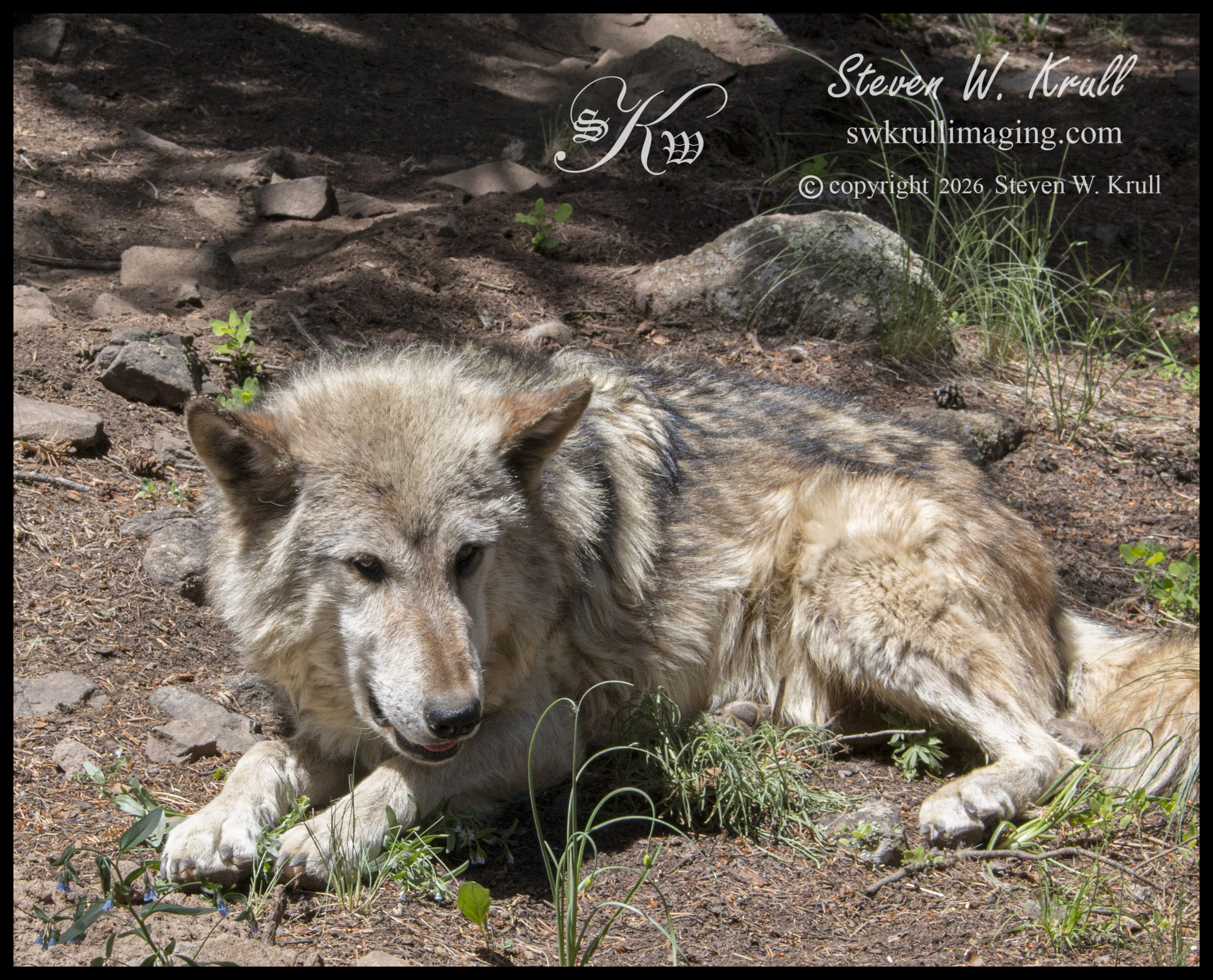


According to this update by Colorado Parks and WIldlife (CPW), no additional wolves will be released in 2026. Reasons cited are interference from the federal government and objections from western slope ranchers. Some lawmakers object to funding the program when the state is experiencing a budget shortfall. In my opinion these excuses aren’t sufficient reason to override the will of the voters.
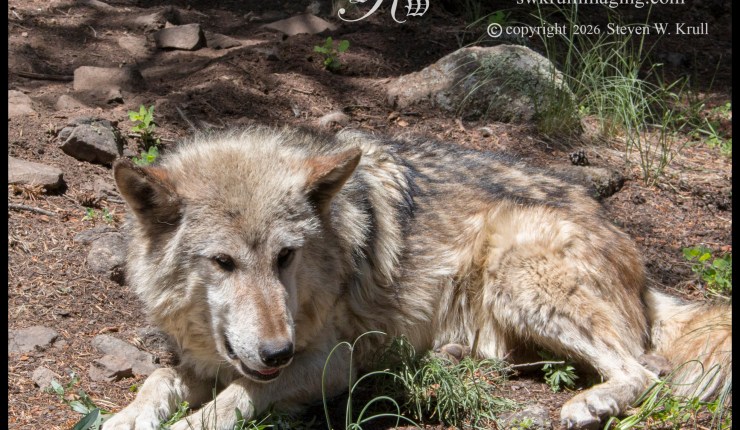
According to this article in the Coloradoan, “Ten ranches shared wolf depredation claims information with the Coloradoan totaling around $1,034,000. The state’s general fund allocates $350,000 annually to compensate ranchers for direct and indirect losses to wolves.”
According to this article by Humane World (and many other studies), wolves account for less than one percent of cattle and sheep losses in states where they live.
In addition, this figure is based on reported losses, not verified losses. Rancher’s claims were up to 22 times greater than verified losses across the west during the same period. It appears ranchers are attempting to turn wolf losses into a business model by scapegoating wolves.
Ranchers lose livestock in the mountains for all kinds of reasons, neglect, exposure, disease and injury. Wolves account for a miniscule number of those losses. Removing cattle from public land would go a long way toward minimizing the losses. Western ranchers choose to allow their livestock to roam freely in a rugged environment in wildlife habitat. If they choose to take the risk, let them take their chances.
The afore mentioned objections also fail to account for the proven benefits of a healthy wolf population, including Trophic Cascade, and disease prevention. This article by National Geographic documents the many benefits experienced in Yellowstone following the reintroduction of wolves in the 1990s
My recommendation to CPW is to end the reimbursement program and use the that money to fund the release more wolves and continue the reintroduction program as per the desires of Colorado voters. Also studies have shown that Ranchers who employ non-lethal methods to deter predators are far less likely to experience losses. Colorado should levy fines on ranchers who don’t comply, and use that money to fund the program as well.
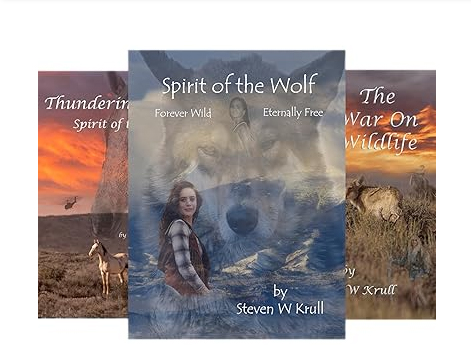
Krull has recently completed his War on Wildlife trilogy, which includes three historical fiction adventure novels. The entire series can be purchased as a set, or as individual installments. The saga begins in California as a fashion photographer learns about the famous matriach of a Yellowstone wolf pack. The saga continues as the main characters explore the American west while facing tragedy, and triumph and many exciting adventures along the way. Readers will learn about the famous Yellowstone wolf known as 06 for the year she was born, the exploits of a famous wild Colorado mustang stallion named Picasso, and finally about Colorado’s first wild wolf pack since their extinction in the early 20th century.
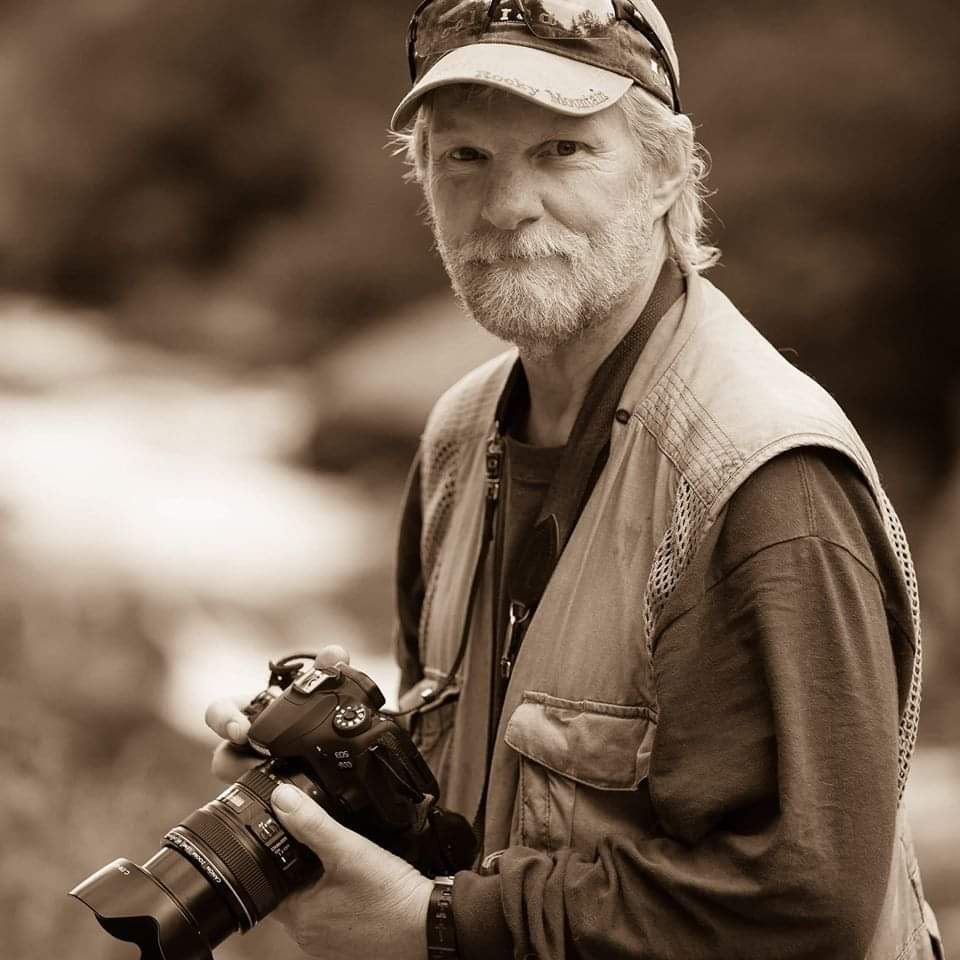
Steven W. Krull is a renowned photographer and author who has been photographing and writing of the beauty and wildlife of the Colorado Rocky Mountains for over two decades. Please visit his website at S.W. Krull Imaging to view his work, including thousands of prints for sale, stock images for commercial use, and his library of published books.
Discover more from Colorado Nature Photographer / Author | Steven W. Krull
Subscribe to get the latest posts sent to your email.

