

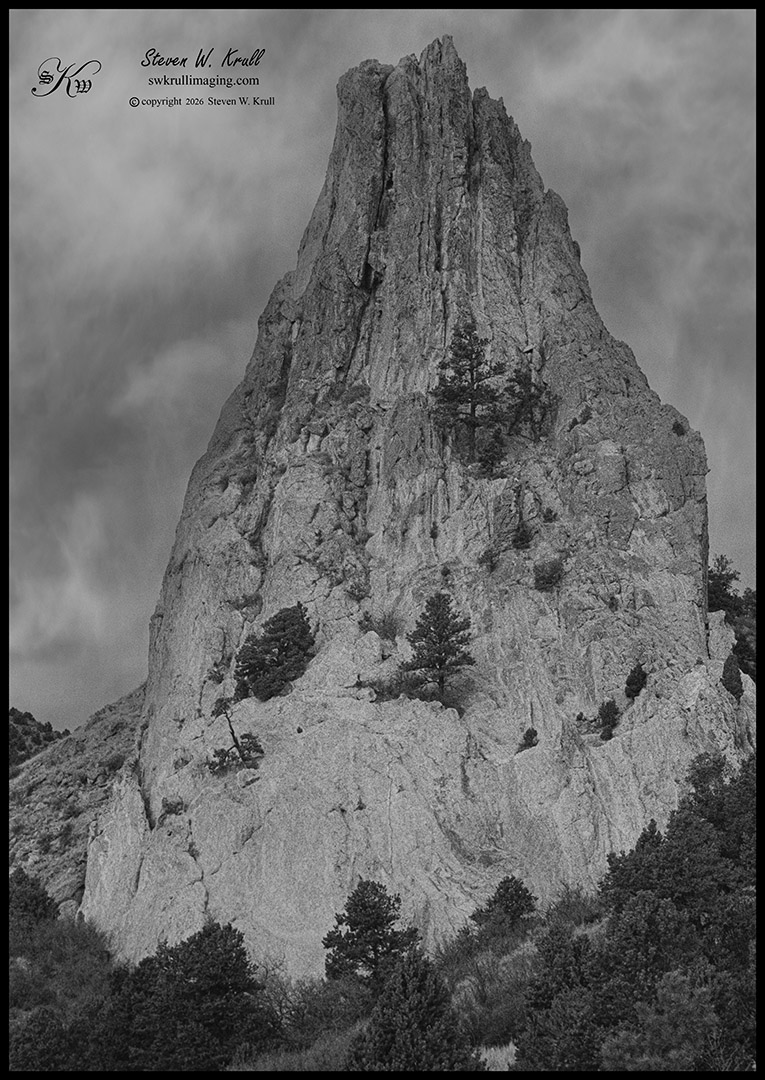
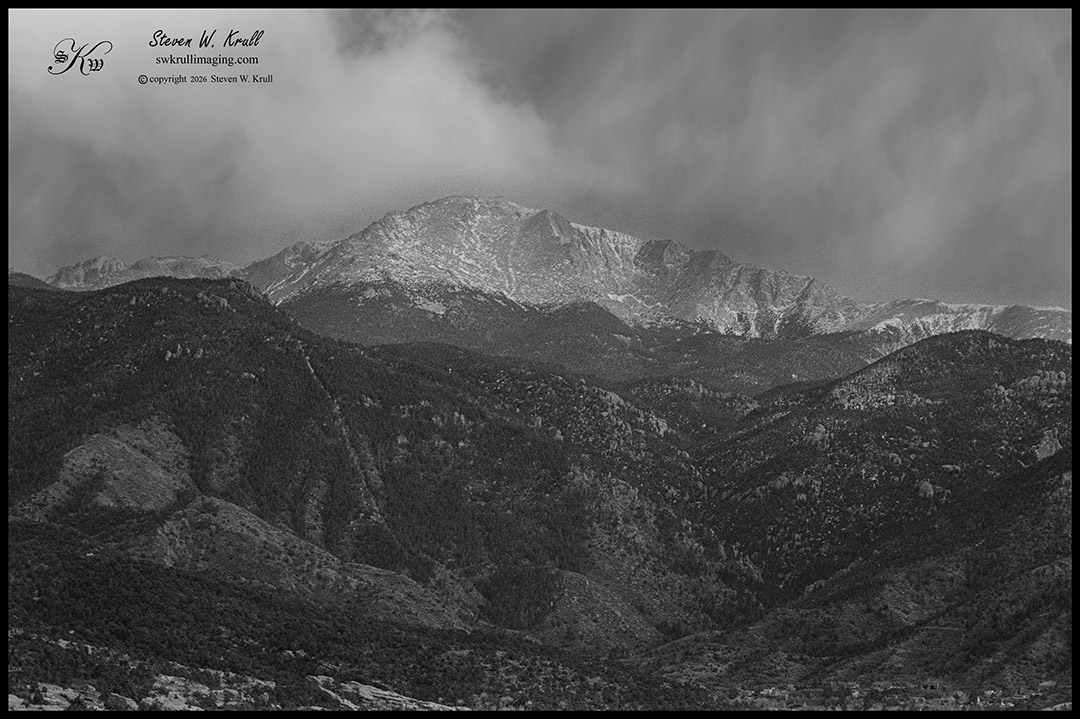
It wasn’t something that I intended or deliberately set out to do, but it seems that monochrome photography might be a recurring theme in 2026. A renewed interest in black and white film can be partially attributed to a road trip to Denver, with an inevitable stop at Englewood Camera to look at the used gear. On that trip I discovered an FD 100-300mm manual focus lens at a price impossible to ignore. That particular lens just happens to employ a 58mm filter size, the exact size of my set of monochrome filters. And naturally this piqued my interest in trying out some black and white film.
Although most of my posts are free for anyone to read, I do encourage donations for anyone who enjoys the content and wants to contribute to my work!
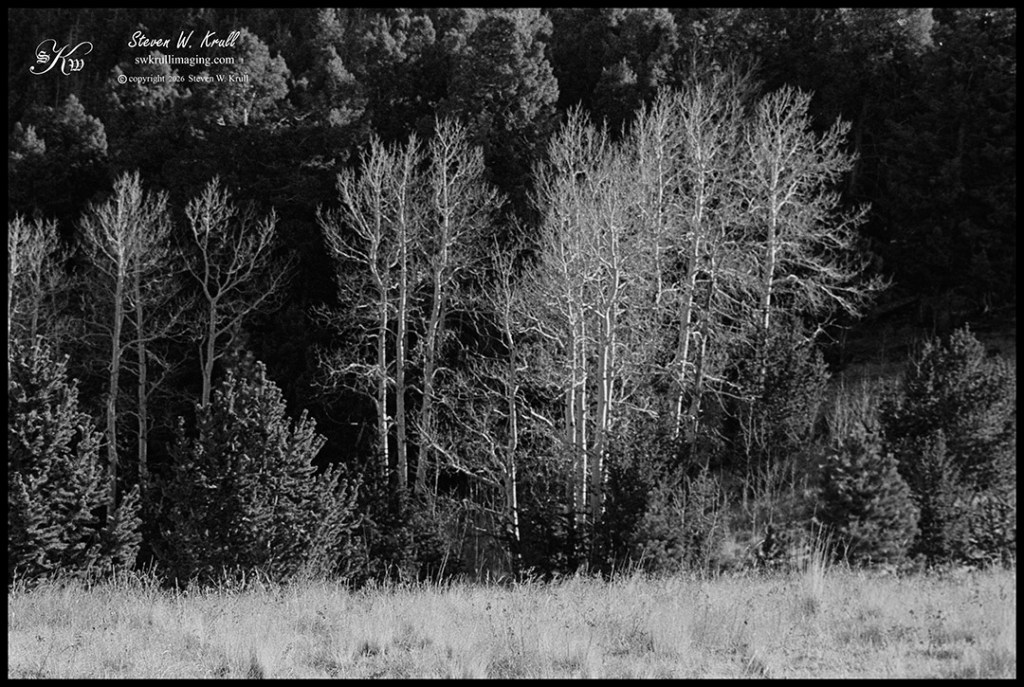
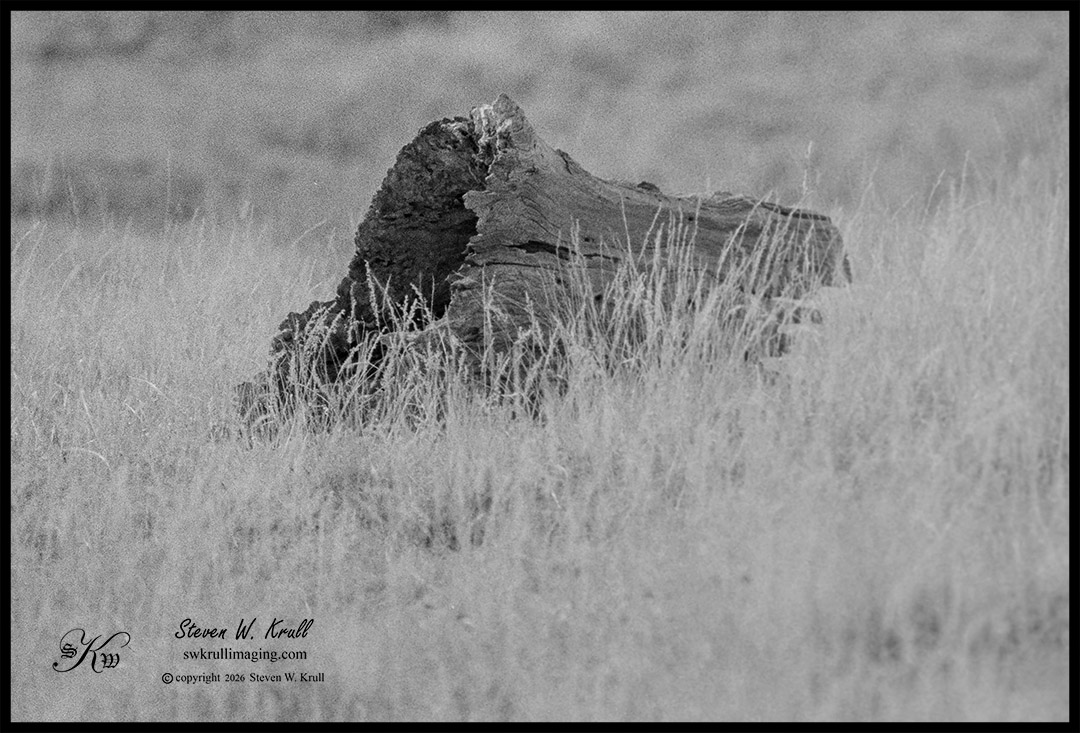
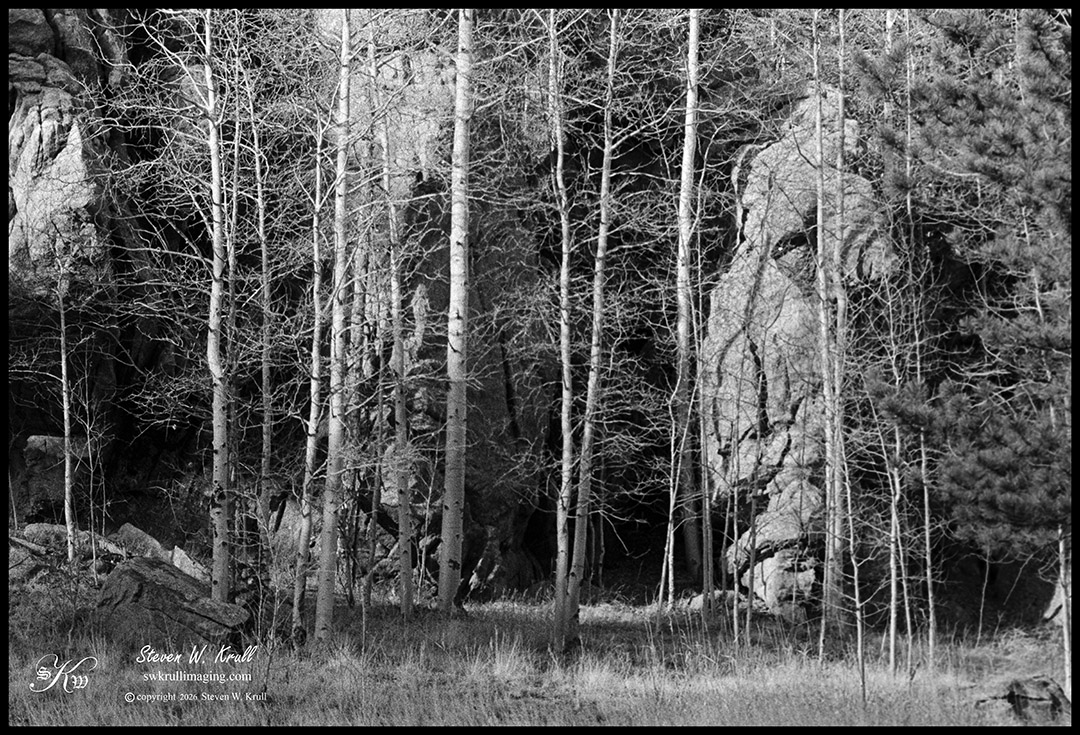
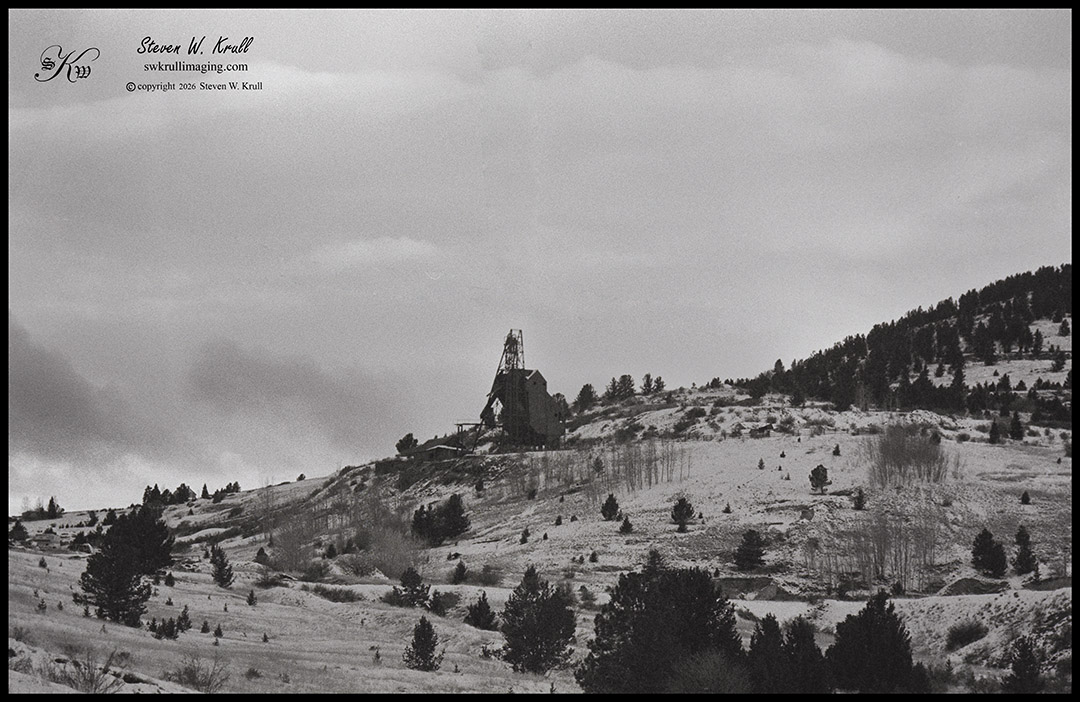
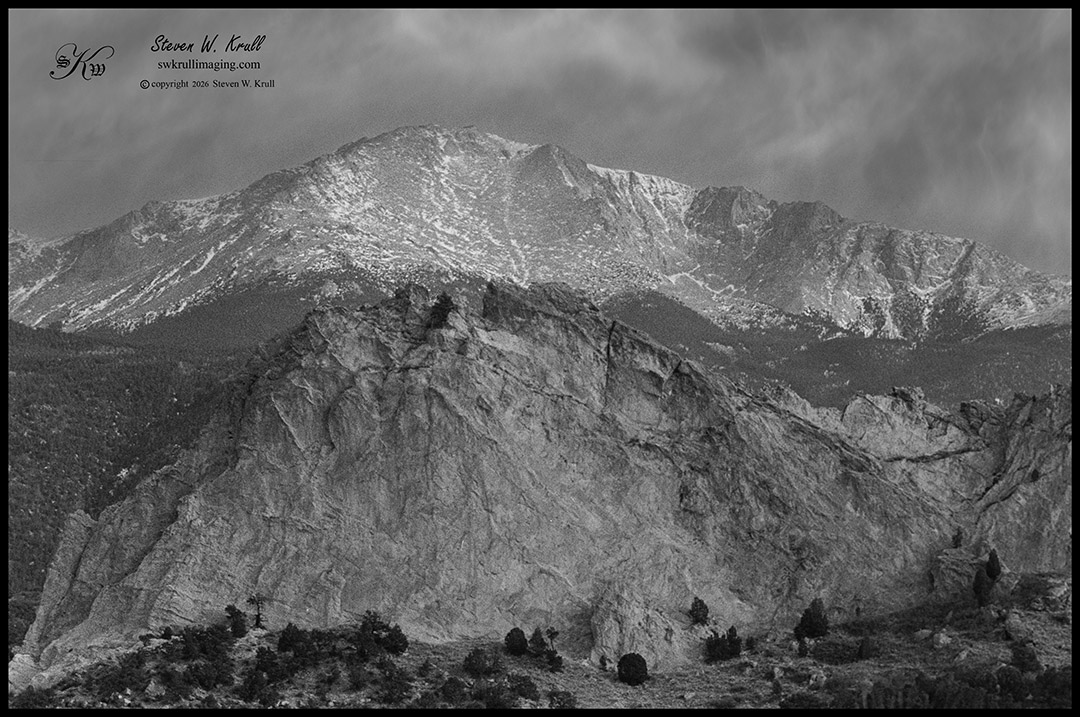
So I loaded up a roll of Ilford HP5 monochrome film into my trusty Canon A-1, attached a yellow filter to the new lens, and headed out into the high country. I have been photographing this grove of aspen trees in color, with my digital camera for years. However, this version with the browns and yellows enhanced, and blues blocked by the yellow filter, is the only one I have ever bothered to publish!
There is a lot of debate online about whether digital is better than film. Of course “better” is a very subjective term, and if you compare specs side by side it is obvious that digital is better. You have faster frame rates, better low light performance, higher dynamic range, and of course there is the cost to consider. There are times when we are out capturing bald eagle images, when I might shoot 1500 frames in one day.
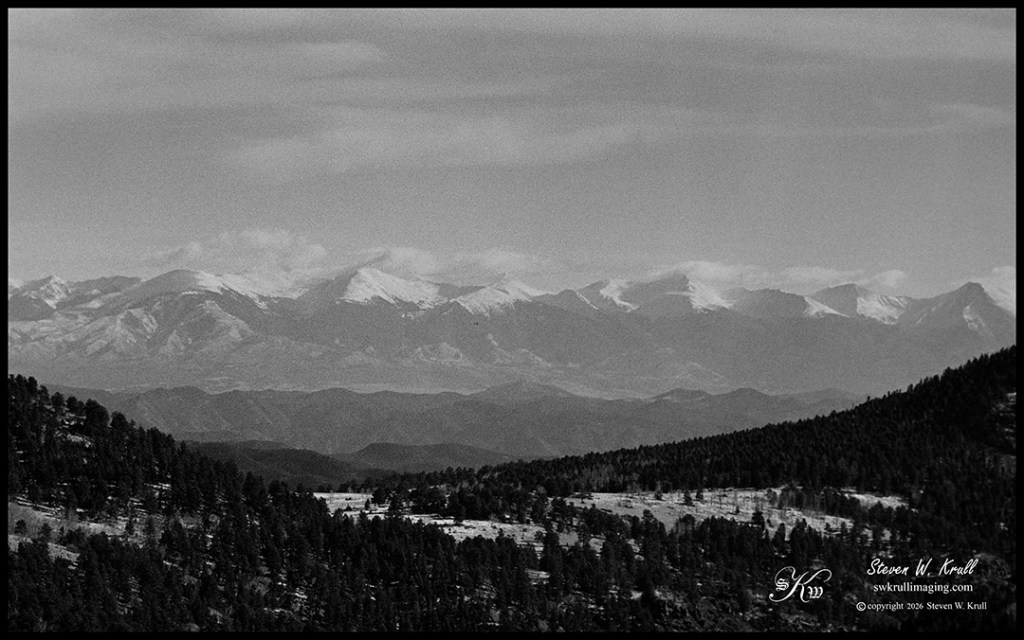
Out in Yellowstone, I fired off 1500 images of one grizzly bear in an one hour. At a rough cost of a dollar a frame, shooting that session on film would have cost me more than the entire trip.
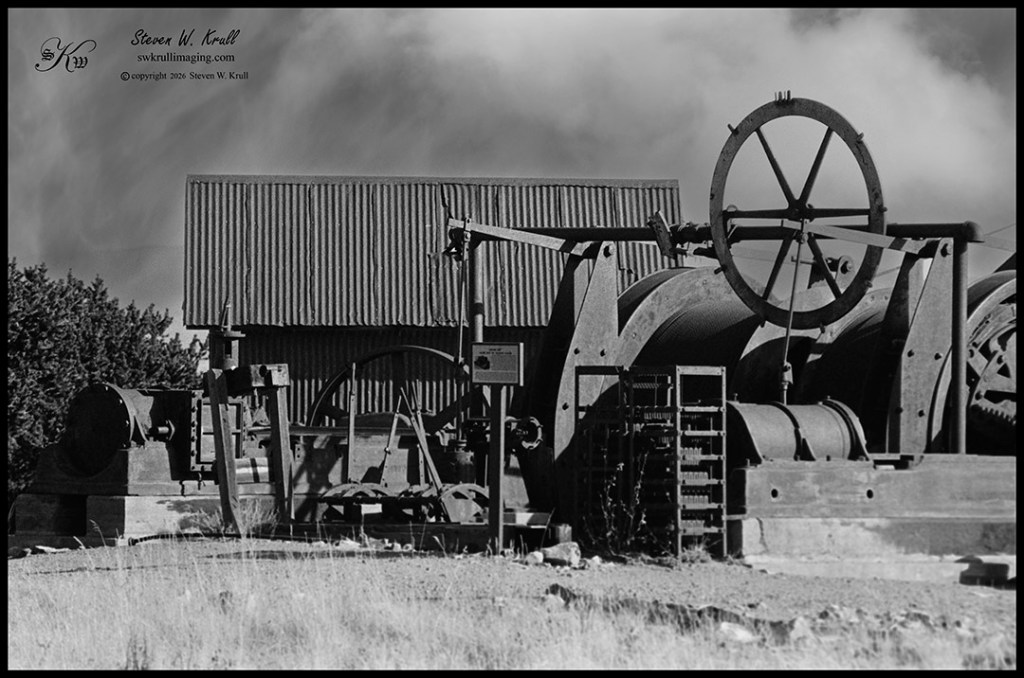
But for some reason I can’t explain, my favorite image of the year, for the past few years has been one shot on film. There is a look about a film image that is just more magical. You can’t put a finger on it, or describe it, But those are the images I can’t quit looking at. My film prints are the ones that captivate me the most. So does that make film better?
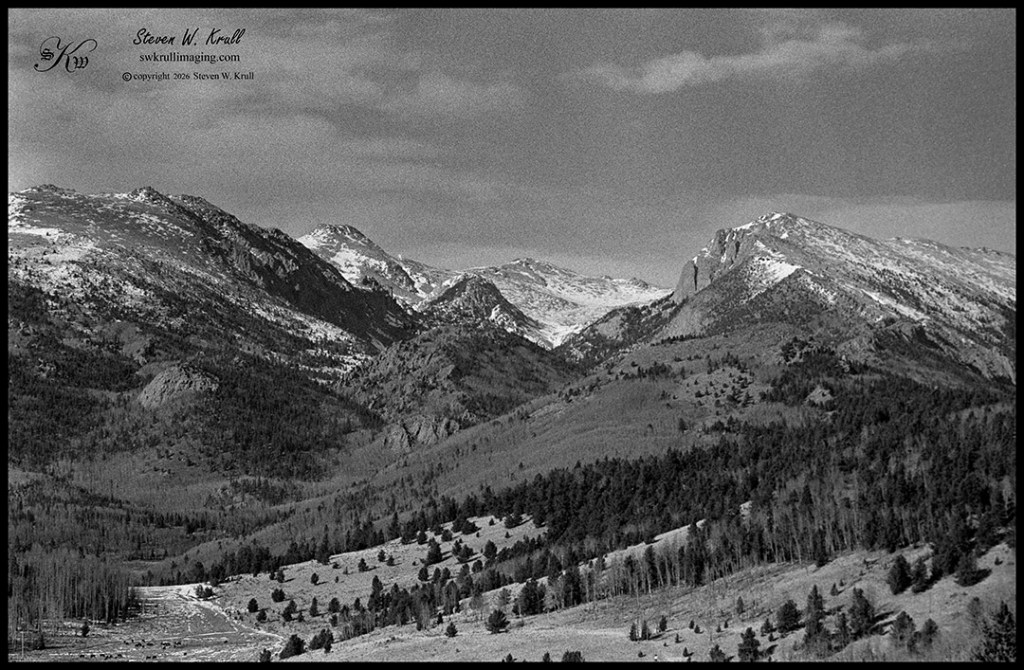
I don’t know, I’ll leave that argument to those much smarter than me. However I’ve already loaded a new roll of monochrome film into my A-1, and I’m eager to take it out into the mountains. This time I’ll be trying the pro version of Ilford monochrome, Delta 400, to see if I like the finer grain results.
Many of my best images can be purchased as prints on my website on glossy metal or acrylic sheets ready for hanging, stretched canvas, and traditional matting and framing. Tons of cool gift and household items can also be created from any image, includign coffee mugs, t-shirts, tapestry, tech gadgests such as battery chargers, and much, much more!


If you are interested in preserving our four footed heritage, please consider my wildlife adventure series. I’m currently working on the third in the trilogy, The War On Wildlife, which can be read for free on my Substack account. I’m publishing it as a series, which you can read episode by episode, as they are published. The first in the series, Spirit of the Wolf and the second, Thundering Hooves can be purchased on Amazon in paperback or eBook.
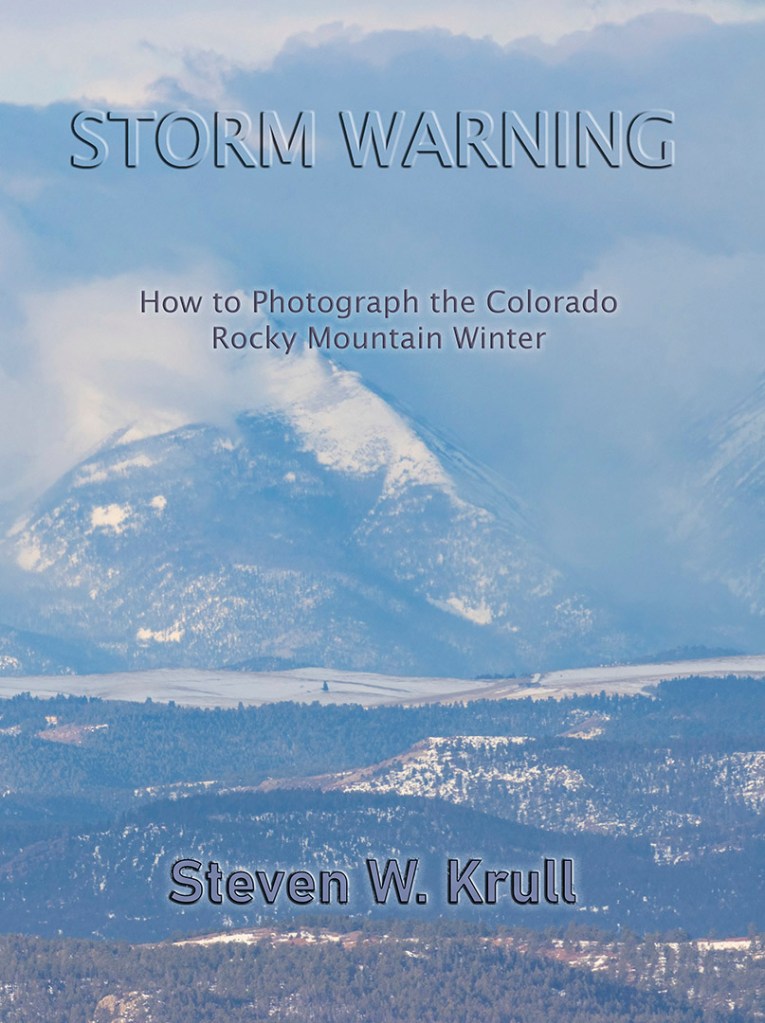
Readers can also choose from a variety of photo books, including Storm Warning, each filled with dozens of beautiful Colorado landscapes and wildlife along with tips and tricks that will enable my readers to create beautiful images of their own!
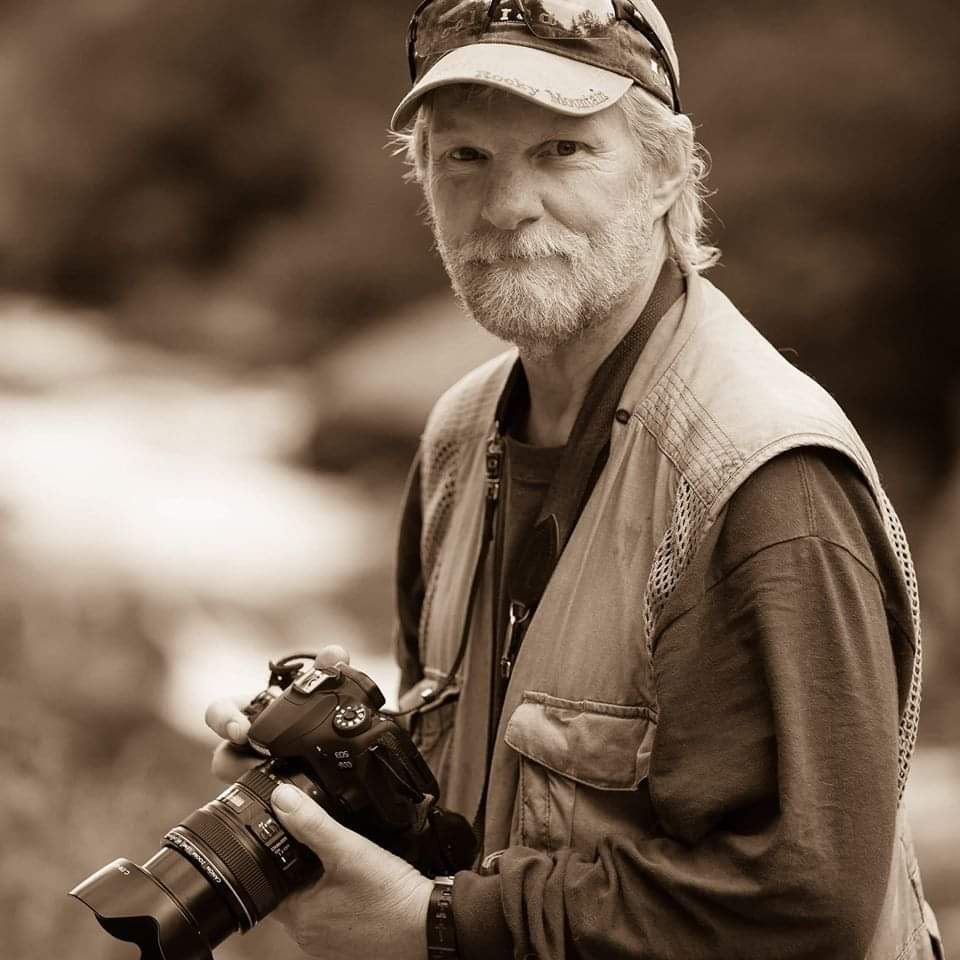
Steven W. Krull is a renowned photographer and author who has been photographing and writing of the beauty and wildlife of the Colorado Rocky Mountains for over two decades. Please visit his website at S.W. Krull Imaging to view his work, including thousands of prints for sale, stock images for commercial use, and his library of published books.
Discover more from Colorado Nature Photographer / Author | Steven W. Krull
Subscribe to get the latest posts sent to your email.
 Colorado Nature Photographer / Author | Steven W. Krull